Layer 02 · Ground

Seaport security

The forecast growth of traffic through international seaports, and the weight of ports in every national economy, call for a major investment in security.

GIS concession model
Container terminal at dusk, cranes over a vessel, wide aerial shotPhoto: CEphoto, Uwe Aranas · CC BY-SA 3.0
Overview

Seaport security

A port is open by nature: reachable by land and by water, close to dense populations, and moving huge volumes of cargo and hazardous material to just in time schedules. Every container is an opportunity for smuggling, and every gate a possible point of entry.

Under the GIS concession model, port authorities receive a complete security system, from container inspection and tracking to access control and video analytics, designed so that security speeds trade up rather than slowing it down.

Challenges

What the solution must handle
  • 01Extensive area with many landside entry points
  • 02Accessible by water and by land
  • 03Close to densely populated areas
  • 04Large volume of cargo and HAZMAT
  • 05Just in time delivery
  • 06Large numbers of trucks moving in and out
  • 07Fishing and recreational harbours
  • 08Terrorism, smuggling and illegal activity
Inspection equipment

Inspection and security equipment for the port.

Every container, truck and vessel that enters the port can be inspected without slowing the terminal. GIS selects the equipment for each port from leading manufacturers and integrates it into one system.

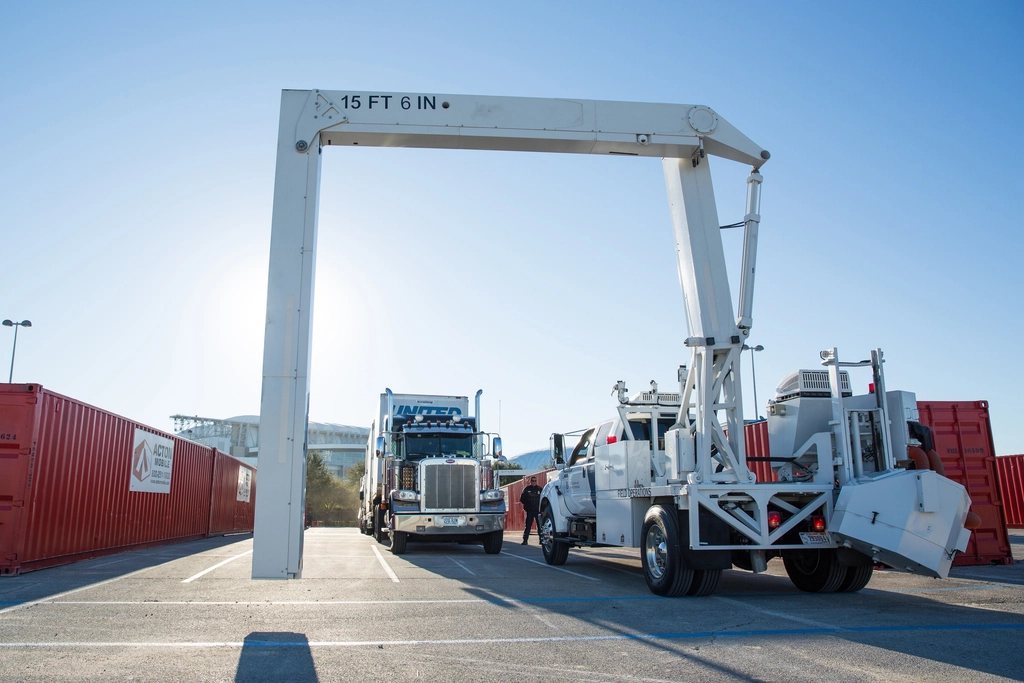
Container X-ray at the gate
Container X-ray at the gateFixed and drive through portals inspect containers as they enter or leave the terminal, so that a full inspection takes minutes instead of hours.
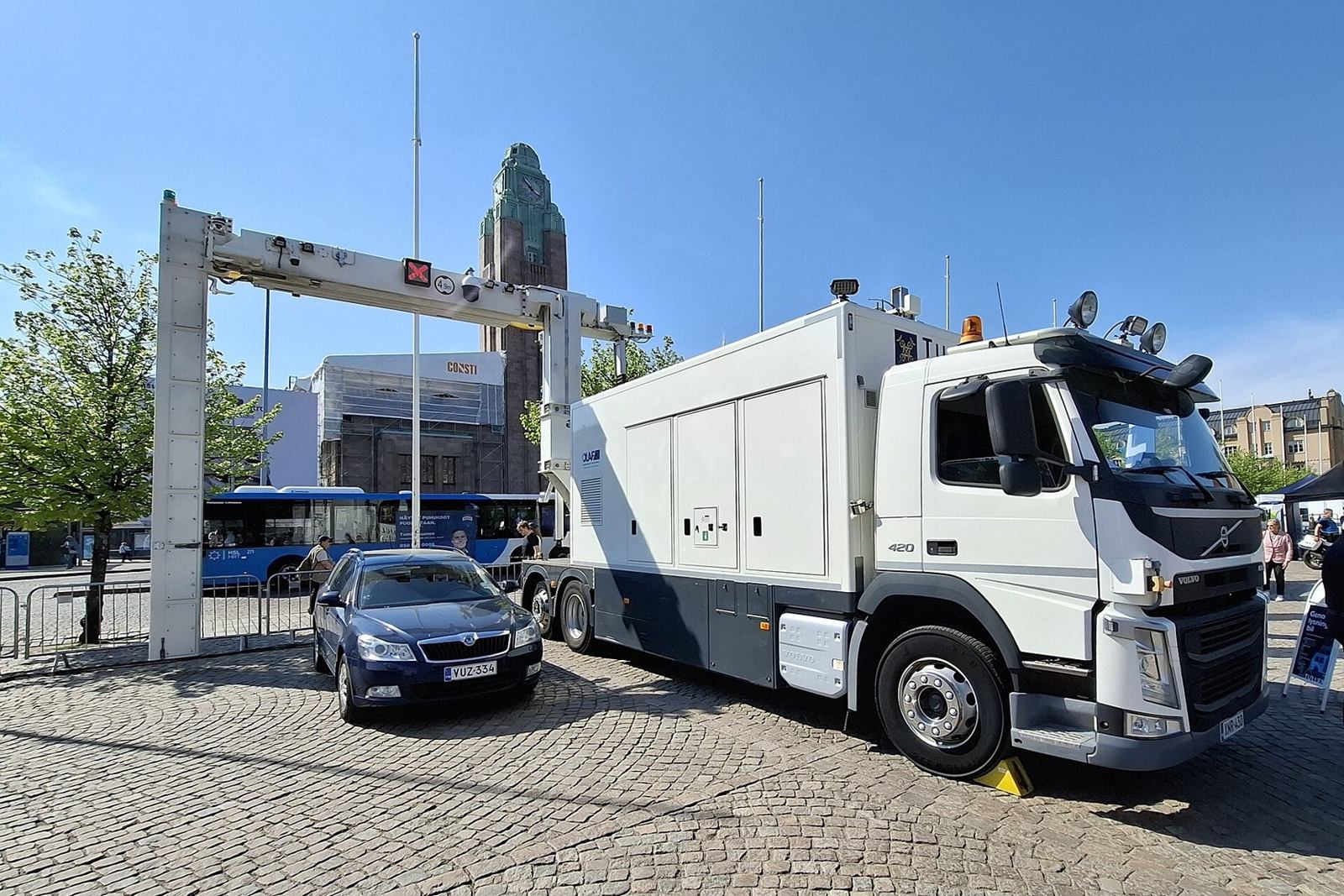
Mobile scanners for the quayPhoto: VynedJ · CC BY 4.0
Mobile scanners for the quayMobile scanners move to the berth, the stack or a temporary checkpoint and are ready to inspect within hours.
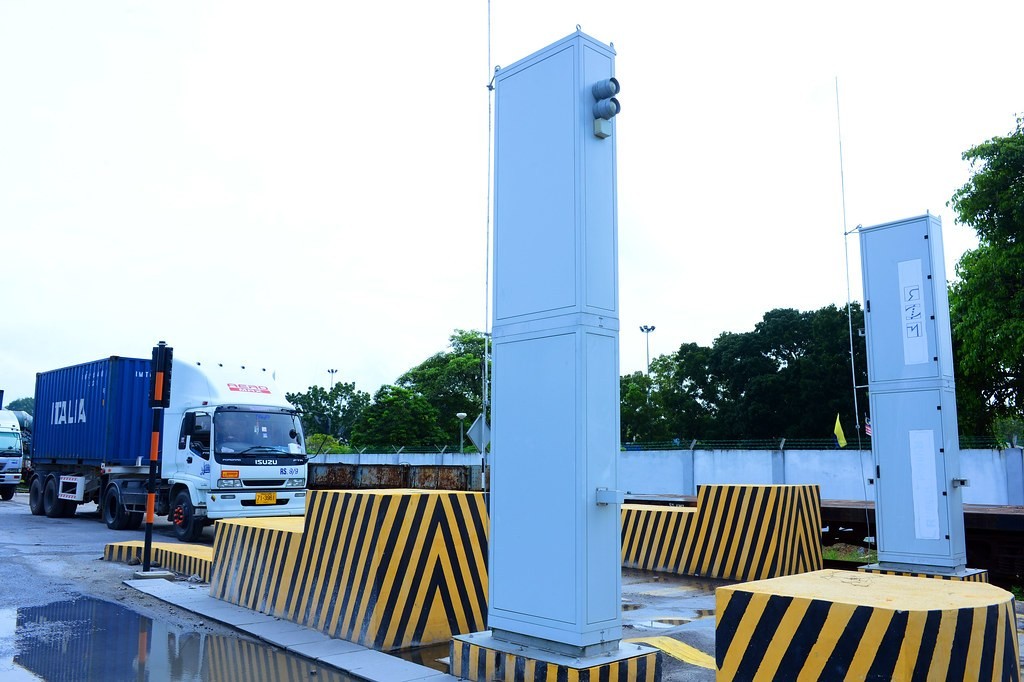
Radiation portal monitorsPhoto: IAEA Imagebank · CC BY-SA 2.0
Radiation portal monitorsEvery container leaving the port passes radiation portal monitors that detect nuclear and radioactive material without stopping traffic.
Gate automation and code recognition
Gate automation and code recognitionOptical character recognition reads container codes, seals and licence plates, and links each truck and container to its booking and its risk profile.
Container localisation
Container localisationRFID tags and terminal systems show where every container is at every moment and alert the control room when a box moves without authority.
Waterside securityPhoto: UNC - CFC - USFK · CC BY 2.0
Waterside securityPatrol boats, surface radar and long range thermal cameras watch the waterside, the anchorage and the approaches to the port, day and night.
How a port programme proceeds

From assessment to operation in five steps.

01Port facility security assessmentGIS reviews the port estate, its gates, quays, waterside and systems against the ISPS Code and identifies every vulnerability. The assessment is the basis for the port facility security plan.
02DesignThe inspection lanes, perimeter, cameras, access control and control room are designed together with the port authority and customs, so that security fits the flow of the terminal.
03Build and integrateEquipment is installed in phases while the port continues to work, and every system is connected to one security operations centre.
04Train and certifyPort facility security officers, operators and analysts are trained and certified, and drills are carried out with the port authority, customs and the coast guard.
05Operate and upgradeGIS maintains the systems, reports performance to the port authority and upgrades the technology for the life of the concession.
Standards

Designed to international rules.

01ISPS CodeThe International Ship and Port Facility Security Code under chapter XI-2 of the SOLAS Convention: port facility security assessments, plans and officers, and the three security levels.
02IMO and ILO guidanceThe International Maritime Organization and International Labour Organization code of practice on security in ports, for every area of the port beyond the ship and port facility interface.
03WCO SAFE FrameworkAdvance cargo information, risk management and non intrusive inspection of high risk containers, in cooperation with customs.
04ISO 28000Security management for the supply chain, so that the port can demonstrate a managed and audited approach to security.
Track record

A major Black Sea port.

A customised CCTV and security operations centre, analytics and perimeter protection for one of the largest ports on the Black Sea.

Ukraine · Seaport

Odessa Sea Port

Over 22 million tonnes of cargo a year520,000 TEU141 hectares46 berths
GIS solutions
  • ✓Customised CCTV and security operations centre
  • ✓Video analytics and licence plate recognition
  • ✓Integration of existing systems
  • ✓Intrusion detection and perimeter protection
  • ✓Fire alarm and fire detection systems
  • ✓Engineering, commissioning and maintenance
Project statistics are those recorded at the time of the project.
Funding

No capital from the state. No sovereign guarantee.

Under our build, maintain, transfer model GIS invests in the equipment, runs and upgrades it for a long term contract, 10 to 25 years, while operations stay under government control. How the partnership works →

One partner for the system, the funding and the people who run it.

Request a consultation